
“High-Functioning” AuDHD - When the Outside Shines and the Inside Is Burning
What it costs to keep going when stopping isn’t an option


“You always seem so full of energy.”
“I honestly don’t know how you do it all – work, kids, life. You’re a powerhouse.”
These are the kinds of sentences many of us hear when we are described as high-functioning. They sound like compliments. Sometimes they even feel validating. However, behind this label lies a dangerous misunderstanding.
“High-functioning” does not describe how we are doing.
It describes how well we perform within a system that values productivity, availability, and usefulness far more than nervous system health.
I know this label well. I am a psychologist. I’m AuDHD. I’m also a mother of four. From the outside, I often appear energetic, capable and organised. People assume I have endless resources.
What they don’t see is that this way of functioning is neither calm nor sustainable. It requires effort. It is driven. And it is expensive.
What appears to be strength is often just survival.
Functioning Is Not Health: What Stress Research Shows
Psychological and neurobiological research is clear: functioning is not a reliable indicator of well-being.
The allostatic load model (McEwen, 1998; McEwen & Wingfield, 2003) explains how humans can maintain outward stability by chronically overactivating their stress systems. The body and brain remain “on” not because they are balanced, but because they are constantly compensating. Over time, this can lead to emotional exhaustion, physical symptoms and reduced stress tolerance.
Many high-functioning adults with AuDHD live in a state of permanent allostasis. They do not regulate — they override.
From the outside, this looks like resilience. From the inside, however, it feels like never being able to fully exhale.
Compensation, Masking, and the AuDHD Nervous System
Masking (also referred to as camouflaging) is one of the most researched yet still underestimated phenomena in neurodivergent adults.
Several studies have shown that masking is linked to heightened anxiety, depression, identity confusion and burnout, particularly among autistic adults and those who were diagnosed later in life (Hull et al., 2017; Cook et al., 2021; Bargiela et al., 2016). Masking requires constant self-monitoring, emotional suppression and behavioural correction.
In AuDHD, this burden is often compounded. ADHD-related impulsivity, emotional intensity, and distractibility must be actively controlled while autistic traits such as sensory sensitivity, the need for predictability, and social fatigue must be hidden.
Masking creates a socially acceptable exterior.
Research consistently shows that this comes at a high psychological cost.
Many high-functioning adults with both conditions report difficulty recognising their own limits, responding to early signs of overload or allowing themselves to rest. This is not because the signals are absent, but because responding to them would threaten their ability to keep functioning.
Fear-Based Performance: RSD, Perfectionism, and People-Pleasing
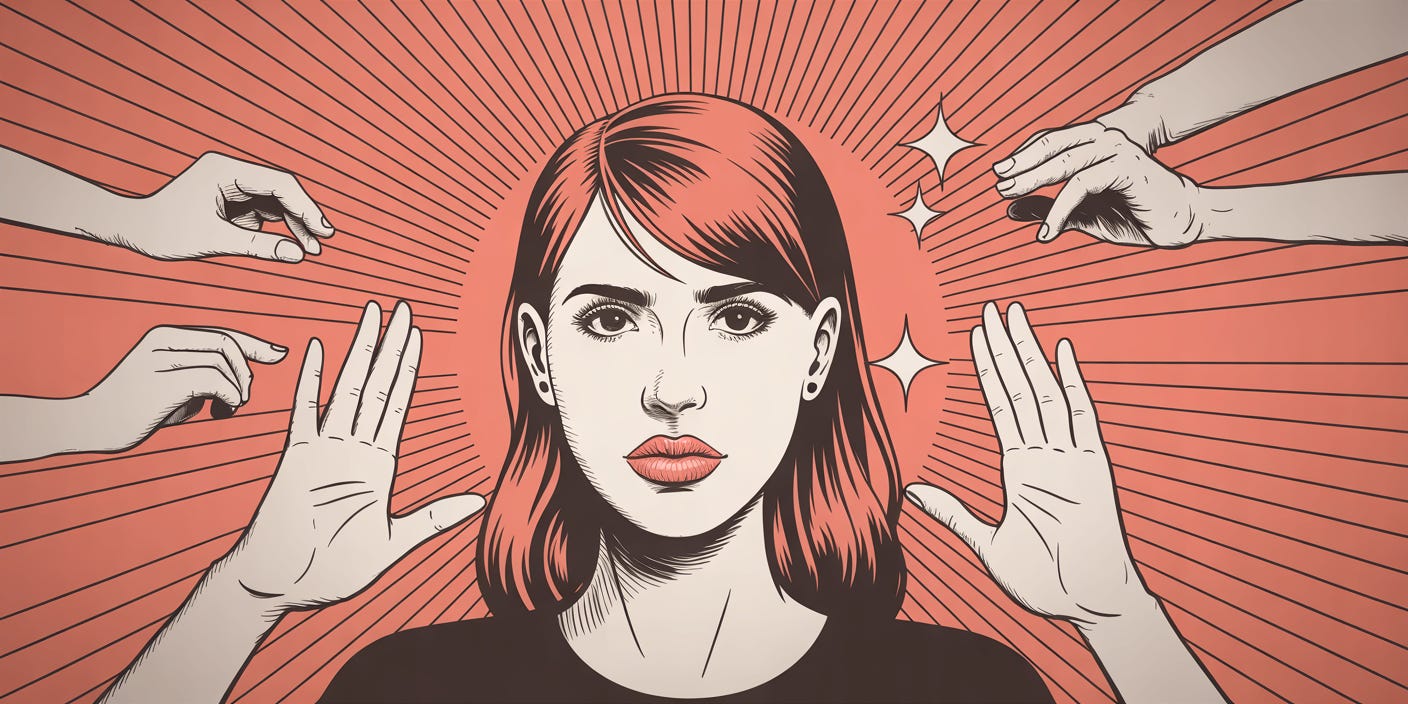
Another blind spot of the “high-functioning” label is motivation.
For many people with AuDHD, performance is not primarily driven by ambition, passion, or intrinsic reward. It is driven by threat regulation.
Rejection Sensitivity Dysphoria (RSD) is often discussed in the context of ADHD, but intense sensitivity to rejection, criticism, exclusion or perceived disappointment is equally relevant in autism. In AuDHD, these dynamics frequently overlap and reinforce each other.
For autistic individuals, social safety is often fragile. Misattunement, misunderstanding and subtle exclusion are not abstract risks; they are a lived experience. For those with ADHD, emotional reactivity and rapid threat responses add another layer of intensity. Together, this creates a system that is constantly scanning for signs of disapproval or relational rupture.
In this context, perfectionism and people-pleasing are protective strategies.
Mistakes don’t just feel uncomfortable; they feel unsafe.
Taking things slowly doesn’t feel restorative; it feels risky.
Setting boundaries doesn’t feel healthy; it feels dangerous.
Performance becomes a way to stay connected, accepted and “unproblematic”. Being reliable, competent and useful reduces the risk of rejection. Functioning well becomes a form of social self-defence.
This system produces productivity. Often, it is impressive productivity.
However, it relies on chronic emotional stress.
In this case, “high functioning” is actually a nervous system working relentlessly to prevent rejection, conflict or abandonment. While the cost of this strategy is rarely visible from the outside, internally it often manifests as constant tension, self-monitoring and exhaustion.
In AuDHD, fear-based performance is not a flaw.
Rather, it is a logical response to repeated experiences of being too much, not enough, or fundamentally out of sync with the world.
It is also one of the most overlooked reasons why “high-functioning” can be such a dangerous label.
Work as Regulation: Why Rest Feels Unsafe
Research on ADHD and workaholism shows a strong link between ADHD symptoms and the tendency to work excessively (Andreassen et al., 2016). For many adults with AuDHD, work provides structure, stimulation and emotional containment.
From a nervous-system perspective, this makes sense: activity regulates attention and emotion more effectively than rest. Stillness may expose sensory overload, emotional dysregulation or internal emptiness that has long been kept at bay by activity.
As productivity is socially rewarded, these regulatory strategies remain unquestioned, even though they accelerate exhaustion.
Burnout Without Collapse
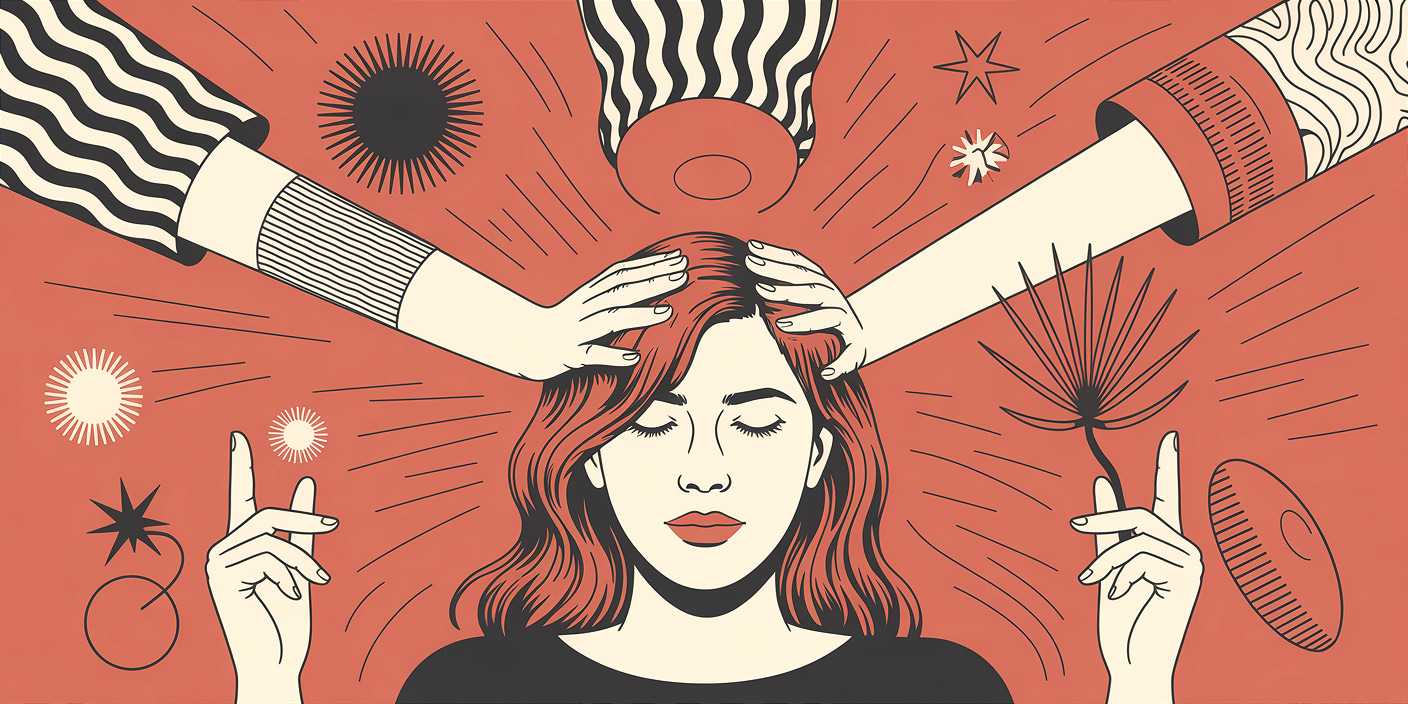
Burnout is not caused by stress alone, but by sustained effort without adequate rest and recovery. For many adults with AuDHD, especially those described as high-functioning, this pattern is not occasional – it is ongoing.
What makes burnout in high-functioning AuDHD adults particularly difficult to recognise is the way it unfolds. It rarely arrives as a clear breaking point. There is often no dramatic collapse or moment when daily life becomes impossible. Functioning continues. Responsibilities are met. From the outside, everything still looks “fine”.
The change happens internally and gradually.
Emotional energy diminishes. Irritability becomes more frequent and harder to control. Joy fades quietly. The body carries constant tension or a sense of heaviness. Life feels increasingly effortful, yet stopping feels impossible.
I have experienced this form of burnout myself. I continued to function professionally and as a parent, but I felt deeply empty inside. I was easily overwhelmed and constantly on edge; I no longer felt genuine enjoyment. What frightened me most was not the prospect of collapse, but the absence of it. I found myself wondering how long this state could continue and whether I would ever be forced to stop.
This question is common among high-functioning adults with AuDHD. Many of us have learned to override internal signals for so long that burnout does not interrupt life; it erodes it. The nervous system adapts by dulling rather than shutting down.
The crucial difference from more visible burnout is therefore not the experience itself – emotional exhaustion, irritability, loss of joy and physical depletion are present in both cases – but rather the lack of external interruption. As daily functioning remains largely intact, the severity of the burnout is often underestimated, including by the person experiencing it.
For parents, this is especially painful. Emotional depletion does not remain internal. Irritability spills over into relationships. Patience shortens. Children sense the strain, even when nothing is said explicitly. The resulting guilt often pushes people to carry on rather than pause, thus reinforcing the cycle.
In high-functioning AuDHD, burnout is therefore not defined by collapse, but by persistence. It is a burnout that does not stop life, but slowly hollows it out while life goes on.
It is important to recognise this pattern. Not every burnout announces itself with a bang. Some unfold quietly beneath continued performance, without ever forcing an obvious stop.
The absence of collapse does not mean the absence of harm.
Over time, sustained overload can contribute to the development of psychological comorbidities, such as depression or anxiety, as well as physical health problems related to chronic stress. Even when daily functioning remains intact, quality of life can deteriorate significantly. Emotional vitality diminishes, recovery becomes more difficult, and life increasingly revolves around coping rather than living.
Feminist and Societal Perspective: Who Is Allowed to Burn Quietly?
From a feminist and societal perspective, the concept of “high functioning” is inextricably linked to gendered expectations and unpaid labour.
Women and mothers are socialised to take on emotional labour, care work and relational responsibility. Neurodivergent women, in particular, are expected to compensate silently — to be capable, kind, organised and endlessly available.
High-functioning women with AuDHD are often praised for doing what is structurally unsustainable: holding together families, jobs, relationships and emotional ecosystems while suppressing their own needs.
This is not individual resilience.
It is the systemic exploitation of adaptation.
Capitalist and care-based systems reward self-erasure, not wellbeing. The more quietly someone burns out, the more functional they appear. Thus, the label “high-functioning” becomes a tool that legitimises overload while denying support.
A Necessary Reframe
From both clinical and social justice perspectives, being high-functioning is not a protective factor. It prioritises output over health and adaptation over authenticity.
The important question is not:
“How well does this person function?”
But:
“What does it cost them to keep functioning like this?”
When the outside shines but the inside is burning, that is not success. It is a warning signal!
Ignoring that signal, both individually and collectively, comes at a profound human cost.
References
Andreassen, C. S., Griffiths, M. D., Sinha, R., Hetland, J., & Pallesen, S. (2016). The relationships between workaholism and symptoms of psychiatric disorders: A large-scale cross-sectional study. PLOS ONE, 11(5)
Hull, L., Petrides, K. V., Allison, C., Smith, P., Baron-Cohen, S., Lai, M.-C., & Mandy, W. (2017). “Putting on my best normal”: Social camouflaging in adults with autism spectrum conditions. Journal of Autism and Developmental Disorders, 47, 2519–2534.
McEwen, B. S., & Wingfield, J. C. (2003). The concept of allostasis in biology and biomedicine. Hormones and Behavior, 43(1), 2–15.

I wish I understood this years ago. I experienced burnout and menopause and then an utter collapse. It’s taken me years to get my life back on track and I feel like I’m barely what I once was. But I suppose this is a new journey now.
These are the words I've been looking for